





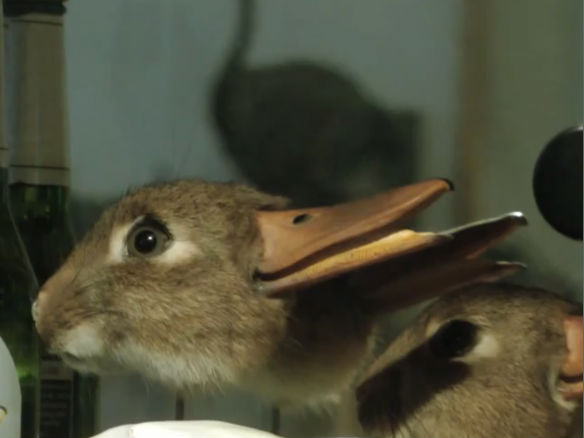
Taking things apart and seeing how they work is human nature. And it isn’t limited to tinkering with watches, fiddling with engines or dabbling with a CPU. The art of taxidermy evolved during the Age of Enlightenment as explorers returned to European ports with spoils from their travels. On the other side of the ocean, exotic animals were sketched, shot and skinned to be reformed back at home to the delight of scientists and the general public alike.
Natural history museums across the world contain unique specimens, some of them hundreds of years old, which provide an insight into extinct species and show how animals were grouped and examined in the past. The process of opening up an animal and investigating their insides is an integral part of the science of anatomy and modern medicine.
The craft of taxidermy has been (almost) perfected over the past centuries, and today there are around 60 professional taxidermists in the UK. Harriet Bailey and Alice Lighton dissect the history of this unusual specialism with award-winning taxidermist Derek Frampton, and whip out the scalpels to breath artistic life into a frozen mouse.
WARNING: VIDEO CONTAINS GRAPHIC SCENES OF TAXIDERMY
For historic films of taxidermy in days gone by, take a look at British Pathé’s collection.